
ADDICTION
ADDICTION
ADDICTION
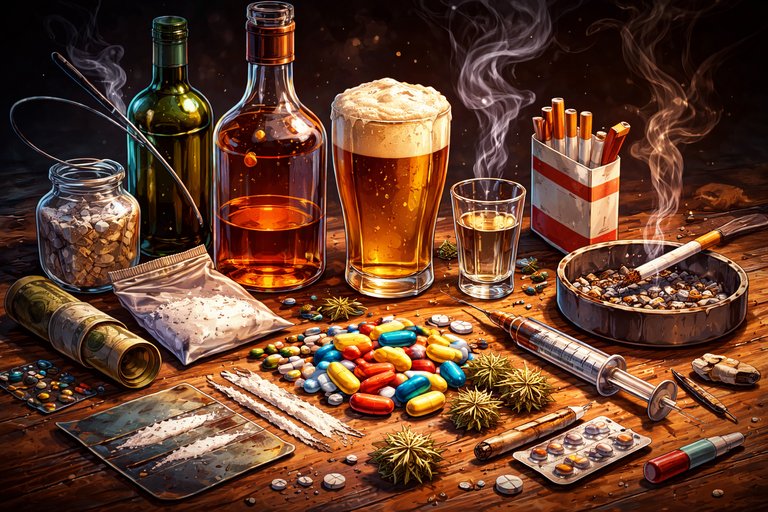
Addiction is a chronic condition in which a person develops a strong physical or psychological dependence on a substance or behavior. It affects the brain’s reward system, leading to repeated use despite harmful consequences. Addiction may involve alcohol, opium (Afeem), poppy seed (Bhukki), drugs, tobacco, prescription medicines, or certain behaviors, and it gradually impacts physical health, mental well-being, relationships, and social life.
Addiction is a progressive disorder. Without timely treatment, it can lead to serious health complications, emotional instability, financial problems, and loss of quality of life.
Signs and Symptoms
In the early stage, addiction may go unnoticed. As dependency increases, the following symptoms commonly appear:
- Strong craving or compulsion to use the substance
- Inability to stop or reduce use despite repeated attempts
- Increased tolerance, needing more to get the same effect
- Withdrawal symptoms when use is reduced or stopped
- Persistent tiredness, weakness, or sleep disturbances
- Loss of interest in work, family, or social activities
- Mood changes such as anxiety, irritability, or depression
- Poor concentration, memory issues, and lack of motivation
- Neglect of personal health and responsibilities
Common Causes / Risk Factors
- Repeated exposure to addictive substances
- Emotional stress, trauma, or mental health disorders
- Peer pressure and social environment
- Family history or genetic susceptibility
- Easy access to addictive substances
- Lack of emotional support or coping skills
- Use of substances as a way to escape pain or stress
Frequently Asked Questions
Is addiction a disease?
Yes, addiction is recognized as a medical condition that affects brain function and behavior. It requires proper treatment and long-term care.
Can addiction be treated successfully?
Yes. With early diagnosis, complete abstinence, counseling, and appropriate treatment, recovery is possible.
Does relapse mean treatment failure?
No. Relapse can be part of the recovery process and indicates the need for continued support and treatment adjustments.
Can family support help in recovery?
Absolutely. Family understanding and encouragement play a vital role in successful recovery.
Clinical Observation
In clinical practice, individuals with addiction often present with fatigue, anxiety, disturbed sleep, and emotional instability. Many patients underestimate the seriousness of their condition until daily functioning is affected. Those who accept the problem early, follow treatment regularly, and maintain a supportive environment show consistent and long-lasting improvement.
Treatment
The cornerstone of addiction management is complete cessation of the addictive substance or behavior, along with psychological support and lifestyle correction. Counseling, behavioral therapy, and rehabilitation programs help address both physical dependency and emotional triggers.
Supportive homeopathic treatment may assist in reducing cravings, easing withdrawal symptoms, stabilizing mood, and improving overall strength. Remedies such as Nux Vomica, Sulphur, Opium, Hyoscyamus, and Ignatia may be considered based on individual symptoms.
Homeopathic medicines should be taken only under the supervision of a qualified homeopathic physician, who will prescribe treatment after a detailed case evaluation and provide Individualized, tailor-made treatment.
ADDICTION
Addiction is a chronic condition in which a person develops a strong physical or psychological dependence on a substance or behavior. It affects the brain’s reward system, leading to repeated use despite harmful consequences. Addiction may involve alcohol, opium (Afeem), poppy seed (Bhukki), drugs, tobacco, prescription medicines, or certain behaviors, and it gradually impacts physical health, mental well-being, relationships, and social life.
Addiction is a progressive disorder. Without timely treatment, it can lead to serious health complications, emotional instability, financial problems, and loss of quality of life.
Signs and Symptoms
In the early stage, addiction may go unnoticed. As dependency increases, the following symptoms commonly appear:
- Strong craving or compulsion to use the substance
- Inability to stop or reduce use despite repeated attempts
- Increased tolerance, needing more to get the same effect
- Withdrawal symptoms when use is reduced or stopped
- Persistent tiredness, weakness, or sleep disturbances
- Loss of interest in work, family, or social activities
- Mood changes such as anxiety, irritability, or depression
- Poor concentration, memory issues, and lack of motivation
- Neglect of personal health and responsibilities
Common Causes / Risk Factors
- Repeated exposure to addictive substances
- Emotional stress, trauma, or mental health disorders
- Peer pressure and social environment
- Family history or genetic susceptibility
- Easy access to addictive substances
- Lack of emotional support or coping skills
- Use of substances as a way to escape pain or stress
Frequently Asked Questions
Is addiction a disease?
Yes, addiction is recognized as a medical condition that affects brain function and behavior. It requires proper treatment and long-term care.
Can addiction be treated successfully?
Yes. With early diagnosis, complete abstinence, counseling, and appropriate treatment, recovery is possible.
Does relapse mean treatment failure?
No. Relapse can be part of the recovery process and indicates the need for continued support and treatment adjustments.
Can family support help in recovery?
Absolutely. Family understanding and encouragement play a vital role in successful recovery.
Clinical Observation
In clinical practice, individuals with addiction often present with fatigue, anxiety, disturbed sleep, and emotional instability. Many patients underestimate the seriousness of their condition until daily functioning is affected. Those who accept the problem early, follow treatment regularly, and maintain a supportive environment show consistent and long-lasting improvement.
Treatment
The cornerstone of addiction management is complete cessation of the addictive substance or behavior, along with psychological support and lifestyle correction. Counseling, behavioral therapy, and rehabilitation programs help address both physical dependency and emotional triggers.
Supportive homeopathic treatment may assist in reducing cravings, easing withdrawal symptoms, stabilizing mood, and improving overall strength. Remedies such as Nux Vomica, Sulphur, Opium, Hyoscyamus, and Ignatia may be considered based on individual symptoms.
Homeopathic medicines should be taken under the supervision of a qualified homeopathic physician, who will prescribe treatment after a detailed case evaluation and provide Individualized, tailor-made treatment.
Homeopathy
Homoeopathy is a system of medicine that was started by Dr Samuel Hahnemann in 1796. It is based on doctrine of Similia Simlibus Curentur which means Like Cures Like.
More ...Our Specialization
Latest Articles
FAQ
Is Homeopathy slow?
Homeopathy is not slow. This can be decided by you. Take an example: If a patient is taking treatment for hypertension in other system of medicine and has to take medicine for whole life but with Homoeopathy if hypertension is cured in one year or one and half year and medicine is stopped then you have to decide which system of medicine is slow/ fast.
Is Homeopathy good for chronic diseases only ?
No it is not true. Homeopathy is very effective in both Acute and Chronic diseases.
Is Homeopathy effective in Autoimmune diseases like Rheumatoid Arthritis / Psoriasis / Alopecia Area
Is Homeopathy effective in Autoimmune diseases like Rheumatoid Arthritis / Psoriasis / Alopecia Areata / Vitiligo / Celiac disease / Crohn’s disease / Ulcerative Colitis ?
Yes, there are numerous cases in which Homeopathic remedies has shown efficacy in cases in Autoimmune diseases like Rheumatoid Arthritis / Psoriasis / Alopecia Areata / Vitiligo / Celiac disease / Crohn’s disease / Ulcerative Colitis ?
Is Homeopathy effective in diseases in the body like Tumor / cyst / fibroid / corn / wart / polyp / ganglion / stone / ulceration etc. ?
Yes, there are numerous cases in which Homeopathic remedies has shown efficacy in cases like Tumor / cyst / fibroid / corn / wart / polyp / ganglion / stone / ulceration etc.
Do Homeopathy medicines increase the disease symptoms in all the cases ?
Not true, Homeopathic aggravation is misinterpreted. There may be a mild increase in the symptoms in a few cases in which suppression is there.